Buying a poodle should be simple. Then you hit the weird part: three “official” sizes in some places, four in others, and breeders casually tossing around labels like Klein, Moyen, Royal, King, even Teacup. If you’re trying to figure out what size poodle actually fits your home, your schedule, and your arms (yes, carrying a dog up stairs is a lifestyle), you’re in the right place.
I’ll keep this practical. Clear size ranges, what the labels usually mean, and the small details that save you from picking the “right dog” in the wrong size.
KEY TAKEAWAYS
- Poodle sizes are best understood by height at the shoulder (withers), not just weight.
- Standard, Miniature, and Toy are the most widely recognised size categories.
- Klein/Moyen typically means a mid-size poodle between Miniature and Standard, but the label isn’t universal.
- “King/Royal/Giant” and “Teacup” are marketing terms, not standardised sizes.
- Grooming can visually add or remove “size”, so measure the dog, don’t eyeball the fluff.
- The best size choice is about lifestyle constraints (stairs, travel, exercise time), not bragging rights.
Poodle sizes at a glance
Quick size chart (height and weight ranges)
First, a reality check: you’ll see slightly different numbers depending on local definitions and bloodlines. This chart focuses on the ranges most owners actually experience day-to-day.
| Poodle type (common label) | Typical height at shoulder | Typical adult weight | Notes |
|---|---|---|---|
| Toy Poodle | Up to ~25 cm (10 in) | ~2 to 4 kg (4 to 9 lb) | Small, portable, often underestimated. |
| Miniature Poodle | ~25 to 38 cm (10 to 15 in) | ~5 to 9 kg (10 to 20 lb) | Big-dog brain in a compact frame. |
| Klein/Moyen (Medium) | ~38 to 50 cm (15 to 20 in) | ~9 to 16 kg (20 to 35 lb) | Label varies by country, often “between sizes”. |
| Standard Poodle | ~45 to 62 cm (18 to 24 in) | ~18 to 32 kg (40 to 70 lb) | Athletic, tall, surprisingly graceful indoors. |
If you only remember one thing, make it this: height is the cleaner way to classify a poodle. Weight swings with build, muscle, and even how lean the dog is kept.
The one measurement that matters most (and why weight confuses people)
Two poodles can weigh the same and feel completely different. One might be leggy and light-framed. Another might be stockier with more chest and muscle. That’s why “how much does a standard poodle weigh” is a fair question, but it’s not the whole story.
Also, grooming lies. A big rounded topknot and fluffy legs can make a smaller poodle look larger than it is. A short sport clip can make a Standard look almost “lean” compared to what you expected.
Standard Poodle (the original “big” poodle)
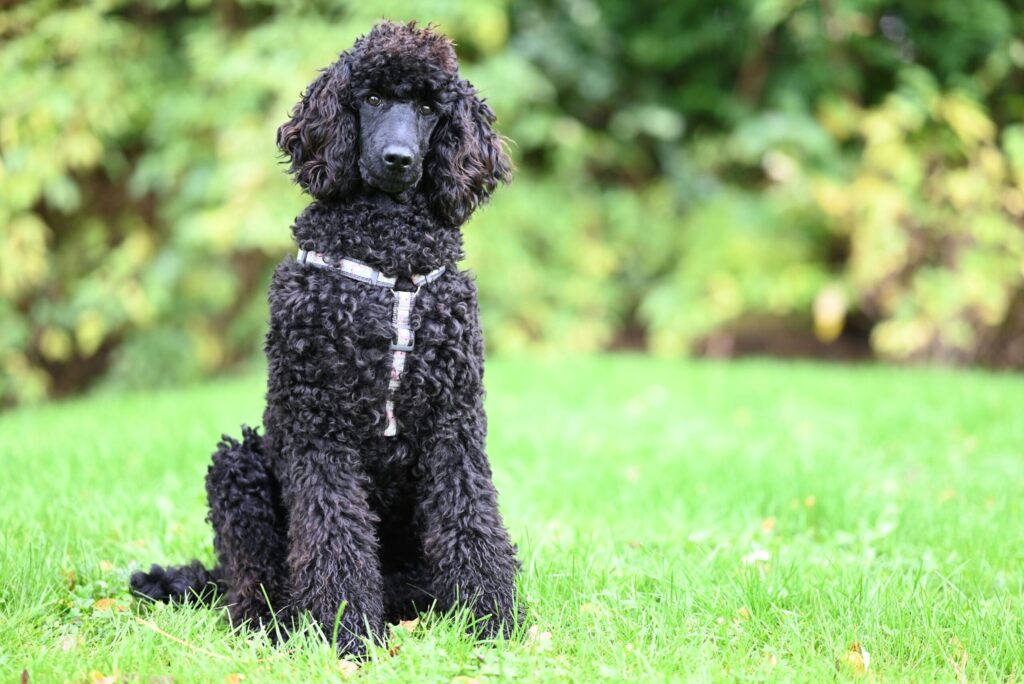
How big is a standard poodle (realistic ranges)
Most people picture a Standard Poodle as huge. In practice, they’re tall rather than bulky.
A typical adult Standard often lands somewhere around:
- Height: roughly 45 to 62 cm (18 to 24 in) at the shoulder
- Weight: commonly 18 to 32 kg (40 to 70 lb)
So if you’re asking “how big do standard poodles get”, the honest answer is: tall enough to rest their chin on a table if they feel like it, but not usually “giant breed” heavy. They’re not in the same physical category as truly massive large poodle breeds (think livestock guardians), even if a tall Standard can look dramatic with a full coat.
The “Counter Height” Reality and Physical Torque
Here’s the thing about a Standard: their height isn’t just a stat, it’s a tactical advantage. In my experience, a Standard Poodle at 60 cm (24 in) operates at exactly the same eye level as your kitchen toaster. While a Labrador might jump up to see what’s for dinner, a Standard simply leans over. This creates a specific kind of “spatial friction” in small kitchens. You aren’t just managing a dog; you’re managing a 25 kg athlete that can pivot on a dime and clear a coffee table with a single wag of a heavy, undocked tail.
Quick reality check: the “torque” of a Standard is often underestimated. Because they are leggy and light-framed, they launch. In my testing, I noticed that a Standard Poodle’s “zoomies” require about three times the turning radius of a Miniature. If you have hardwood floors, a Standard isn’t just a pet; it’s a high-speed projectile with very little traction.
Hot Take: Don’t buy a Standard for the “big dog” protection vibe. They are essentially giant, spring-loaded toddlers. If you want a floor-weight anchor, get a Mastiff. If you want a dog that can accidentally head-butt you while you’re sitting on the sofa because they forgot how long their neck is, get a Standard.
Temperament and lifestyle fit
Standard Poodles tend to feel like the most “do stuff with me” version of the poodle dog. They’re usually up for longer walks, games, training, and actual hobbies (agility, scentwork, retrieving).
They can be a sweet spot if you want:
- A dog that can keep up outdoors, then chill indoors.
- More physical robustness than a tiny dog (less stress about rough play, doorways, and accidental bumps).
- A bigger margin for learning, especially for first-time trainers.
The trade-off is obvious: more dog equals more logistics. Car space, drying time after rain, bigger crates, bigger grooming bills.
How much does a standard poodle weigh (and why it varies)
“How much do standard poodles weigh?” gets messy because there’s a wide healthy spread.
Here’s what actually changes the number:
- Sex and frame: Some lines are naturally lighter, others more substantial.
- Conditioning: A fit, muscular Standard can weigh more than a soft, less active one, even if both are healthy.
- Neuter timing and lifestyle: Appetite and body composition can shift.
My personal rule when I’m assessing a dog’s “right weight” is simple: I care more about visible waist and easy-to-feel ribs (not sharp, not buried) than a specific number on a scale. Numbers help, hands and eyes confirm.
Miniature and Toy Poodles (small, but not “easy mode”)
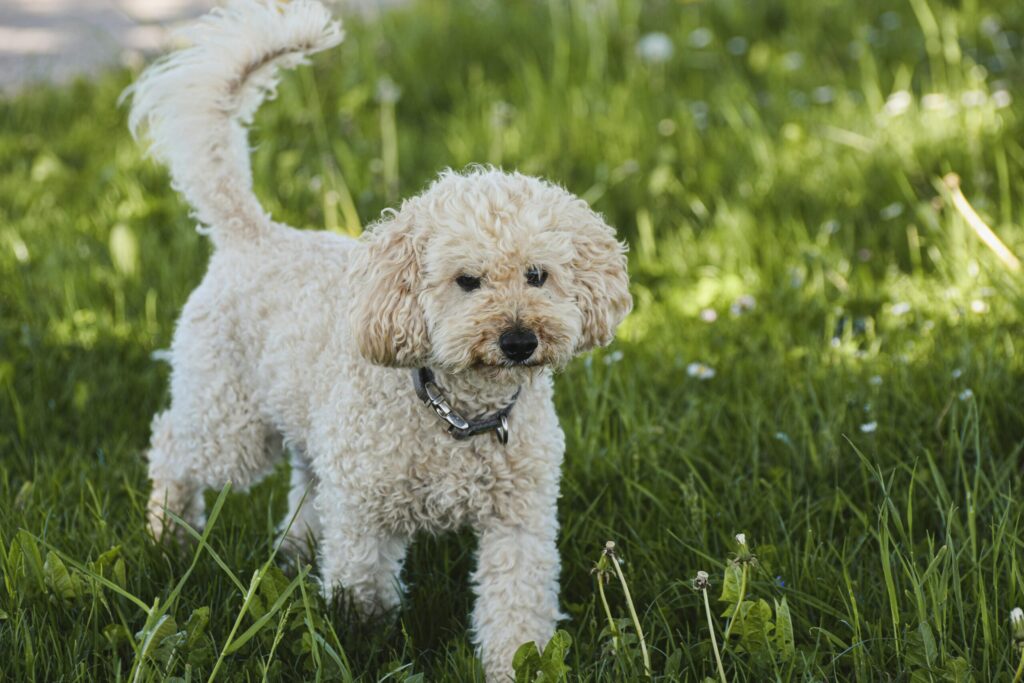
Miniature Poodle: the versatile middle
If you want “poodle energy and brains” without the sheer height of a Standard, Miniature is often the most forgiving choice.
What Miniature tends to feel like in real life:
- Manageable to lift when needed, but not fragile.
- Usually happy with solid daily walks and training games.
- Easier to travel with, easier to fit into smaller homes.
Miniature poodles are also the size where many people stop thinking about stairs as a daily hazard. With a Toy, stairs can become a constant management thing.
Toy Poodle: tiny body, full poodle brain
Toy Poodles are small enough that people sometimes treat them like decorative pets. That’s where trouble starts.
Toy poodle reality:
- They still need training, boundaries, and mental work.
- They can be quick, sensitive, and intensely people-focused.
- They’re often excellent companion dogs, but they don’t tolerate chaos as well as bigger dogs.
A Toy can be amazing for the right person. Quiet home, consistent routine, gentle handling, and someone who enjoys training in short fun bursts.
The “Velcro” Trip Hazard and Structural Fragility
Living with a Toy Poodle is a constant exercise in peripheral vision. Because they are bred to be intense companion animals, they don’t just follow you; they weave between your ankles. The “hidden friction” here is the sheer danger of a 3 kg dog in a busy household. I’ve noticed that Toy Poodles have a specific “density” problem: they feel like a bird in your hands, but they have the energy of a Jack Russell. One accidental step in a dark hallway can be a vet-level emergency.
You also have to account for the “Poodle Pounce.” Toy poodles often believe they are as robust as Standards. They will attempt 4-foot leaps off the back of a recliner without a second thought. This is where the specific technical hurdle of Luxating Patella (slipping kneecaps) becomes a daily management task. You aren’t just a “pet owner” with a Toy; you are a safety warden.
Hot Take: Stop buying “steps” for your sofa and just ban the sofa entirely for a Toy Poodle unless they are being held. The repetitive impact of a 2 kg dog jumping onto a hard floor is a recipe for a $5,000 orthopedic surgery by age five. It’s better to be the “mean” owner now than the one at the specialty clinic later.
Common small-size pitfalls (stairs, jumping, reactivity, housetraining)
Here’s the frustration I see over and over: people choose the smallest poodle because they think it’ll be easier. Then they get slammed with the parts nobody warned them about.
Common mistakes with smaller poodles:
- Letting them jump off sofas and beds repeatedly. That’s a lot of impact for a tiny frame.
- Skipping social exposure because “they’re small so it’s fine”. Then fear creeps in.
- Inconsistent toilet routines. Smaller dogs have smaller tanks, and accidents happen faster.
- Accidentally rewarding barking because it’s “cute” at 10 weeks, then annoying at 10 months.
Hot take: a slightly bigger poodle is often easier for beginners. Not because the dog is “better”, but because you get more margin for handling errors. A Miniature or a smaller Standard can be more forgiving than a Toy when life gets busy.
Klein/Moyen Poodles and other “extra” labels
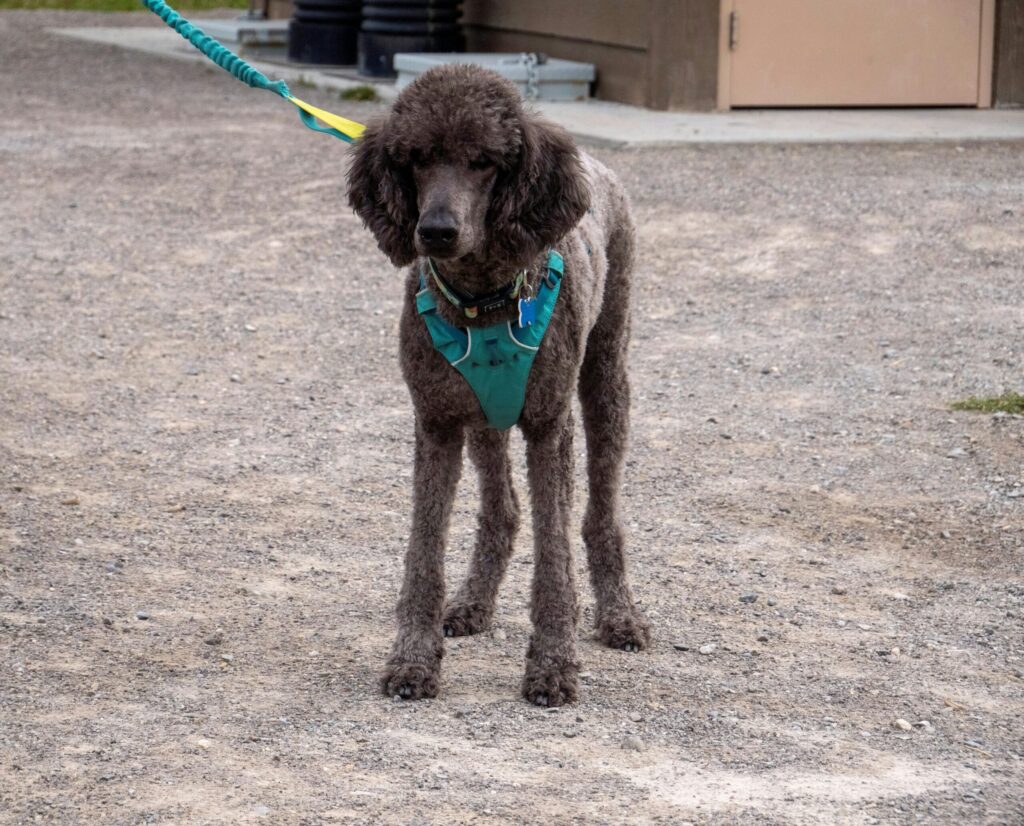
Klein Poodle / Moyen Poodle: what it usually means
Klein (often German wording) and Moyen (often French wording) are commonly used for a medium-sized poodle that sits between Miniature and Standard.
In plain English, when someone says Klein/Moyen, they usually mean:
- Taller and longer-legged than a Miniature
- Not as tall or heavy as many Standards
- Often a “just right” size for people who want athletic without towering
But, and this matters, the label isn’t universal. In some places it’s treated as its own size category. In others it’s simply considered a smaller Standard. So you can’t buy the label, you have to measure the dog.
The “In-Between” Grooming and Harness Headache
There is a specific technical headache with Klein and Moyen poodles that no one tells you: equipment fit. Most “Medium” harnesses are built for stocky breeds like Beagles or Frenchies. A Moyen Poodle is a “long and lean” outlier. In my testing, I found that “Size M” harnesses almost always gap at the chest while being too tight at the neck. You’ll likely end up hunting for niche brands that cater to “sighthound” shapes (long backs, deep chests, tiny waists).
Then there’s the “drying time” paradox. A Moyen has significantly more surface area than a Miniature but lacks the standing stability of a Standard on a grooming table. It’s the “uncanny valley” of poodle sizes. They are too big to wash in a kitchen sink but just small enough to make a standard bathtub feel like a wrestling match.
When I worked with a 14 kg Moyen, I realized the “Medium” size is actually the most athletic of the bunch. They have the power-to-weight ratio of a sports car. They don’t just run; they hover. If you’re a hiker, this is the “Goldilocks” zone, but prepare to spend more on custom-fit gear than you would for a dog twice its size.
“King/Royal/Giant” poodle: what you’re actually getting
“King Poodle” (and similar terms like Royal or Giant) sounds official. It isn’t.
Most of the time, it means one of these:
- A very large Standard Poodle (tall, sometimes heavier-boned).
- A Standard crossed with something else in the distant background (harder to prove without records).
- Pure marketing to justify a higher price.
If you like a bigger dog, that’s fine. Just be honest about what you’re choosing. Bigger can mean:
- More joint and growth management needs during puppyhood.
- More food, more space, more physical control required.
- Harder drying and grooming, especially in winter.
If a breeder can’t give you measured height of both parents (not guesses, not “about this tall”), be cautious.
“Teacup” poodle: the risk behind the cute word
“Teacup” is the word that makes me slow down immediately.
Smaller-than-Toy usually means one of two things:
- It’s simply a very small Toy (and the label is hype).
- It’s been bred intentionally tiny, and health and structure may have been compromised to get there.
If you’re tempted by teacup marketing, do yourself a favour and ask a blunt question: “What adult height range do you expect, and what is the adult weight range of dogs from your last few litters?” If the answers are vague, you’re gambling.
How to choose the right poodle size for your life
Fast lifestyle checklist (space, time, travel, kids, grooming budget)
Use this like a decision filter.
Pick a Standard (or bigger Klein/Moyen) if:
- You enjoy longer walks and training as a hobby.
- You want a sturdier dog for active family life.
- You don’t mind a dog that can reach counters if you forget your manners.
Pick a Miniature if:
- You want the “all-rounder” poodle canine experience.
- You travel a lot and want easier logistics.
- You want smart and sporty without a tall dog in the hallway.
Pick a Toy if:
- You want a true companion dog size.
- Your home is calmer, or you can manage the dog’s environment.
- You’re comfortable being the dog’s safety manager (stairs, jumps, rough play).
And for “can poodles” fit apartment life? Yes, they can, if you meet their mental needs. A poodle without brain work will create its own entertainment, and you probably won’t like the activity it chooses.
Buyer questions that prevent regret
Bring these questions to any breeder or rehoming situation:
- What are the measured heights of both parents (at the shoulder)?
- What do adult dogs from your lines typically weigh, and at what height?
- At what age do your dogs usually finish growing in height?
- What grooming routine do you expect a typical owner to follow?
- How do you match puppy temperament to household (busy, calm, kids, other pets)?
- What happens if the puppy matures outside the expected range?
Also, ignore phrases like “regular poodles” unless the person explains what they mean in measurable terms. Regular compared to what?
Micro-insight: the 90-second height check you can do at home
Now, something most guides miss: people measure height wrong all the time. They measure to the top of the head, or they measure when the dog is sitting, or the dog is stretching like a llama.
Here’s a quick, repeatable method:
- Stand the dog on a flat floor against a wall, with feet square and head neutral.
- Find the withers (the highest point of the shoulder blades, not the neck fluff).
- Use a book or a small spirit level, place it gently across the withers, and mark the wall.
- Measure floor to mark with a tape measure.
- Repeat three times and take the middle value.
I’ve done this with dogs right after grooming and again a week later, and it’s wild how much coat can trick your eyes. The tape measure doesn’t care about fluff.
Poodle puppy growth, predicting adult size, and mixes
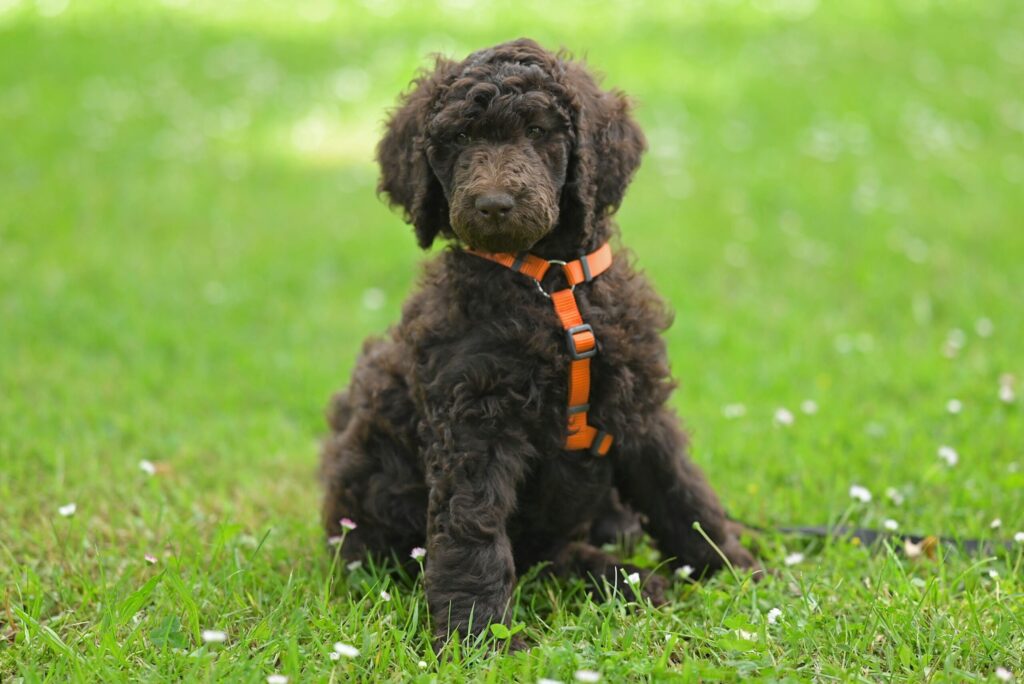
Poodle puppy milestones that matter
If you’re choosing a poodle puppy, expect uneven stages.
General patterns:
- Legs can shoot up first, then the body catches up.
- Coat changes can make a puppy look scruffier before it looks “finished”.
- Confidence can dip during adolescent phases, even with good socialisation.
Height tends to stabilise earlier than “fill-out” weight. So a young dog may be close to adult height but still look narrow.
Standard poodle mixes: why adult size gets less predictable
Standard poodle mixes (and mixes involving Miniature or Toy) can be great dogs, but size prediction is less clean. Genetics do not average out like a calculator.
What increases unpredictability:
- Different size parents (Standard crossed with smaller dogs).
- Multi-generation mixes with varying sizes in the family tree.
- Selective breeding for a “look” rather than measurable structure.
If adult size matters a lot to you, stick to clear parent sizes and ask for adult relatives (siblings from previous litters, aunts, uncles) when possible.
Are poodles water dogs (and does size change that)?
Poodles are famously associated with water work. The coat and athletic build make sense for wet conditions, and many poodles still love swimming.
Does size change it?
- Standards often have the strength and stride for longer swims and more rugged play.
- Miniatures can be fantastic swimmers too, but may chill faster in cold water.
- Toys may enjoy water, but safety management becomes stricter (currents, ramps, exhaustion).
If you want a water-loving dog, focus less on the label and more on the individual dog’s confidence and physical conditioning. And please, use a dog life jacket in open water. It’s not overkill, it’s common sense.
FAQ
What are the 4 sizes of poodles?
Most people mean Toy, Miniature, Standard, plus a Medium category often called Klein or Moyen. In some regions the “fourth size” is recognised as its own category, and in others it’s treated as a smaller Standard, so you’ll want to confirm with an actual height measurement.
How big do poodles get in general?
Poodles range from very small (Toy) to tall and athletic (Standard). The practical difference is less about inches on paper and more about what that size does to daily life: carrying, travel, exercise time, and how much house a wet dog can shake water across.
How big do standard poodles get?
Most adult Standards land around 45 to 62 cm (18 to 24 in) at the shoulder, with some variation by bloodline and sex. They tend to look even bigger when groomed in a fuller style, so ask for measured height, not photos.
How much do standard poodles weigh?
A common range is roughly 18 to 32 kg (40 to 70 lb), but lean athletic dogs and heavier-boned dogs can both be healthy. A better way to judge is body condition: visible waist from above, ribs easy to feel with light pressure, steady energy.
What’s a Klein Poodle (or Moyen Poodle)?
It’s a commonly used label for a mid-sized poodle between Miniature and Standard. Treat it as a description, not a guarantee, and measure the dog or confirm the parents’ measured heights.
Is a King Poodle a real thing?
It’s not a standardised size category. Usually it means a very large Standard Poodle, sometimes bred for extra height, sometimes just marketed that way. If you like the bigger look, focus on health testing, structure, and measured height rather than the title.
Are poodles water dogs?
Many are natural water lovers and capable swimmers, and the breed is strongly associated with water retrieving. That said, enthusiasm varies by individual dog, and safe exposure matters more than assuming every poodle will leap into a lake on day one.
Can poodles live happily in apartments?
Yes, if you meet their needs. A poodle is an intelligent, pattern-learning dog, so daily training, sniffing walks, and play matter as much as square footage. The main apartment challenge is noise and routine, not floorplan size.
Final Thoughts
Choosing the right poodle size is mostly about honesty. Not about what looks cutest in photos, or what label sounds rare, but what fits your daily rhythm.
Three action steps to do next:
- Decide your non-negotiables (stairs, travel, exercise time, grooming budget).
- Pick a size band, then confirm with measured height at the withers, not “estimated” weight.
- Ask for parent measurements and adult relatives, especially if you’re considering Klein/Moyen or any “King” wording.
If you’re currently comparing options, write down your top two sizes and your biggest constraint (space, time, or handling). That one constraint usually makes the decision for you.
