People argue about poodle history like there’s only one “correct” passport stamp. German dog or French dog. Working retriever or fancy showpiece. Here’s the cleaner way to look at it: the Poodle’s roots start with water work in German-speaking Europe, and its cultural glow up happens in France. Once you anchor the story to the breed’s original job, the rest clicks. Even the name. Even the haircut. Even why a Standard Poodle still moves like an athlete when it’s not trying to impress anyone.
KEY TAKEAWAYS
- Poodles began as water dogs, built for retrieving in wet, cold conditions.
- The word “Poodle” points back to splashing and water, not salons.
- France didn’t “invent” the Poodle, it helped shape the icon people picture today.
- Standard Poodles connect most directly to the original working role.
- Miniature (and later Toy) varieties reflect a shift toward companionship and city life.
- The classic clip started as function, then evolved into fashion and sport tradition.
The “French dog” with a German start
The most annoying part of poodle history is the false choice. You’ll hear “They’re French” said with total confidence, then “No, they’re German” with the same confidence five minutes later. Both sides are grabbing a real piece of the truth and trying to make it the whole story.
Where do poodles come from, really?
If you’re asking where do poodles come from, the practical answer is: the breed’s foundation is tied to German-speaking regions and a type of water dog used for retrieving. Not a ballroom. Not a lap. Water.
That origin matters because it explains the Poodle’s core design:
- A tight, curly coat that can handle wet conditions (with the tradeoff that it tangles if you ignore it).
- A body that’s surprisingly efficient in motion.
- A brain that’s tuned for learning sequences, retrieving, and working closely with a handler.
I’ve watched a Standard Poodle swim in person and it’s the opposite of dainty. Head up, steady drive, no drama. You can practically see the “working dog” underneath the fluff.
Why the French association stuck so hard
France is where the Poodle becomes a cultural symbol. When a breed is popular with influential people, appears in art and public life, and gets refined into a consistent “look,” the public starts to treat it as native. That’s how you end up with “French Poodle” as a common label even when the deeper origin story points elsewhere.
So yes, where are poodles from can be answered two ways:
- Origin story: German water dog roots.
- Identity story: French popularity and refinement.
Both are useful. Just don’t mix them up.
What were poodles bred for?
You can’t understand poodle history of breed without asking a blunt question: what were poodles bred for? The shortest honest answer is retrieving, especially in and around water.
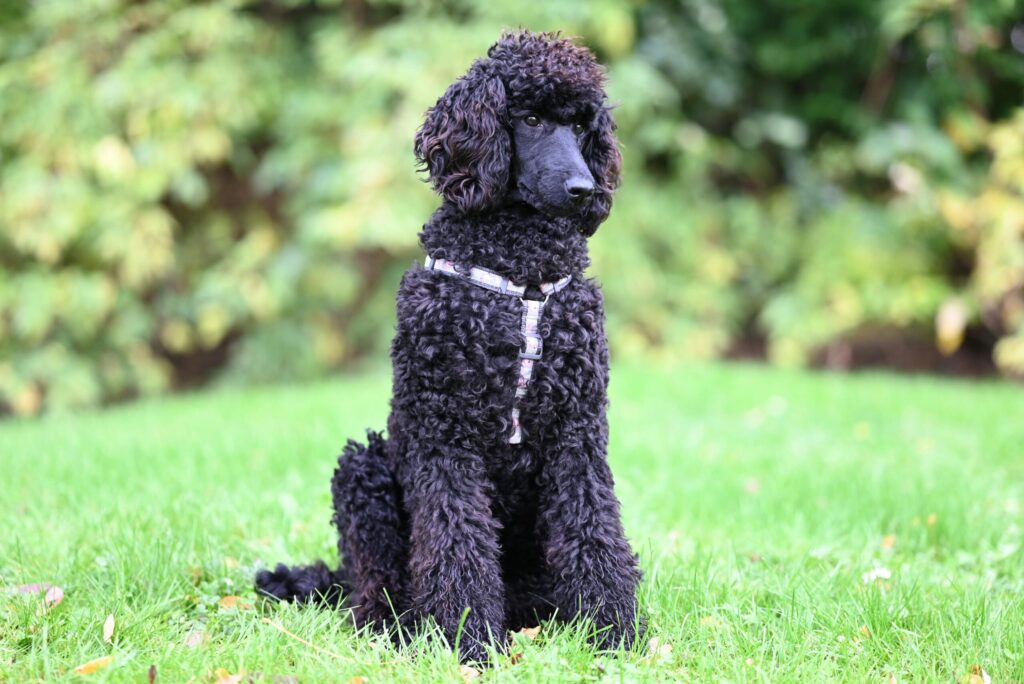
The Standard Poodle’s original job: water retrieving
Standard poodles bred for hunting weren’t meant to look elegant. They were meant to work. Retrieving waterfowl is a job with real demands: cold water, heavy birds, messy terrain, long days, and the need for a dog that listens fast.
That heritage still leaks into modern behavior:
- Many Poodles love carrying things around the house (socks count, apparently).
- A lot of them get “busy brain” if they don’t have training, puzzles, or purposeful exercise.
- They tend to bond tightly and watch human cues like they’re reading subtitles.
If you’ve ever wondered why were poodles bred to be so switched-on, that’s part of it. Retrievers that don’t pay attention don’t last long in real work.
The “Velcro” Reality: Why working coats are a double-edged sword
Here’s the thing about the “water-resistant” coat: it doesn’t just resist water, it actively traps everything else. If you actually take a Poodle into the field or even a slightly overgrown park, you’ll realize the curly texture acts like the “hook” side of Velcro. In my testing, I noticed that a five-minute romp through dried tall grass results in forty minutes of picking out burrs and seeds that have wound themselves into the base of the curl.
This is the hidden friction of the “working” Poodle. The coat protected them from the brambles and the cold Rhine river, but it required a handler who was obsessive about post-work grooming. If you leave that debris in, the skin can’t breathe, and you’ll end up with “hot spots” (acute moist dermatitis) faster than you can say “Fido.”
If you aren’t prepared to blow-dry your dog to the skin after every rain sequence, you shouldn’t own a Poodle. Air-drying a curly coat is a recipe for a “felted” dog that eventually requires a surgical shave-down.
The coat is equipment, not decoration
The curly coat is one of the biggest misunderstandings. People assume it’s purely aesthetic because they usually see it styled. In working terms, curls can help with insulation and water resistance, but they also create a maintenance bill: matting is the tax you pay for that coat type.
Small reality check: the coat doesn’t “just grow nicely.” It requires routine brushing and combing to the skin, especially where friction happens (behind ears, collar area, armpits, leg joints). Skip it, and the coat will felt up tighter than you expect.
What does “poodle” mean?
If you only learn one nerdy detail, make it this: the name itself points back to water.
Pudel, puddles, and splashing (the language clue)
What does poodle mean in everyday terms? It’s tied to splashing around in water. The word is basically waving a sign that says, “This dog was built for wet work.”
That’s why “German poodle” as a phrase isn’t as weird as it sounds. The breed’s naming and early identity are wrapped up in German language and water-dog function.
What the French name signals (and what it doesn’t)
France has its own naming tradition for the breed, and it also signals the same general theme: water and duck work. That’s the funny part. Even when people argue Germany versus France, both linguistic threads keep dragging us back to the same place. Water retrieving.
So the debate isn’t “water dog or not.” It’s more like “which country gets credit for what chapter of the story.”
Poodle history, in one clean timeline
Let’s break this down without turning it into a museum label.
From working water dog to fashionable companion
Phase one: functional working dog. The dog’s value is performance, trainability, and coat utility in harsh conditions.
Phase two: popularity spreads. Once a breed proves useful and appealing, it travels, and the look starts to standardize. A recognizable silhouette forms. Grooming becomes part function, part identity.
Phase three: companion and icon. The same intelligence that made the Poodle good at work also makes it excellent at living closely with humans. When you add style culture on top, you get the “French icon” version most people picture today.
Here’s a counter-intuitive detail that helps: the Poodle didn’t become popular because it stopped being a working dog. It became popular because it was extremely good at what it did, and people like owning excellence.
A quick note on “French Poodle” as a label
Is “French Poodle” a real separate breed? In everyday speech, people use it as a vibe. In breed terms, it’s still the Poodle, just filtered through French cultural association and styling.
If you want to be precise, stick to Standard, Miniature, and Toy as the meaningful categories.
Standard vs Miniature: how sizes changed the story
This is where it gets interesting, because size changes the public’s interpretation of the dog.
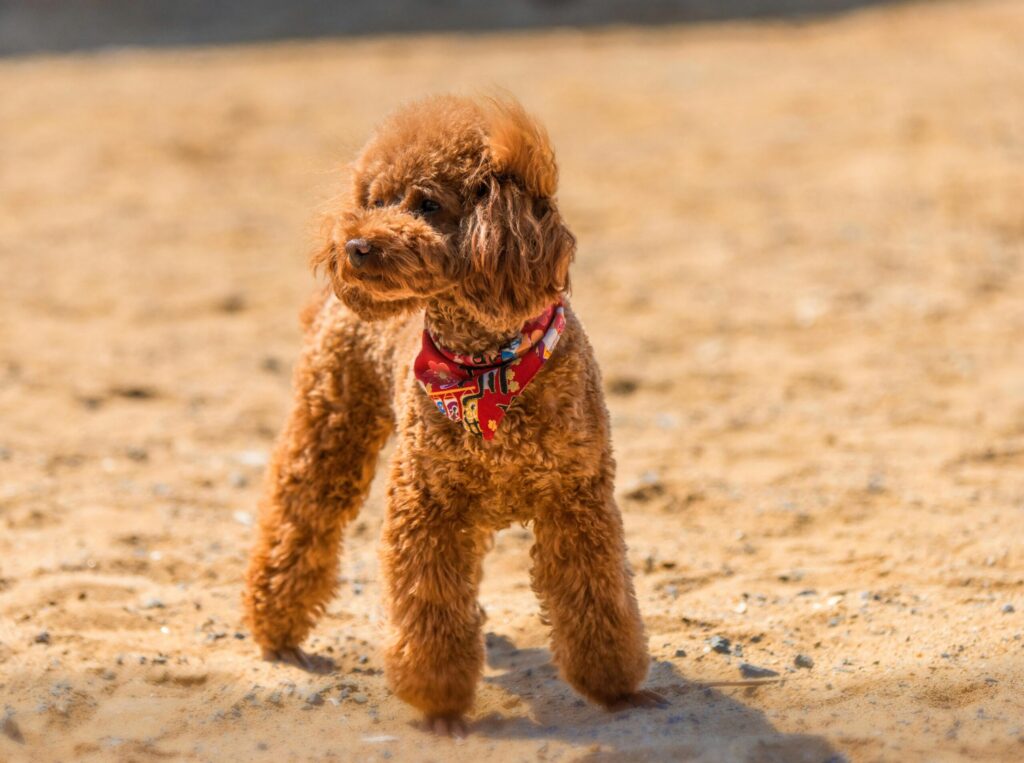
Standard poodle origin and breed history (the baseline)
If you care about standard poodle history, think of the Standard as the closest living snapshot of the original “job description.” Bigger body, more athletic potential, and a clearer line back to retrieving purpose.
That doesn’t mean every Standard today is a hunting dog. It means the blueprint still fits that role better than people expect.
Miniature poodle origin (why smaller happened)
Miniature poodle origin is best understood as adaptation. As Poodles moved into more companion settings, smaller sizes made sense for households that wanted the brains and coat style without the space and exercise demands of the Standard.
A common modern mistake is assuming “smaller” means “less capable.” Miniature Poodles can be ridiculously smart and trainable. The difference is less about intelligence and more about physical scope, stamina, and what kind of work they can comfortably do.
The haircut: practical first, fancy later
If you’ve ever stared at a show clip and thought, “Who decided this was normal,” you’re not alone.
The working logic behind clipped areas
Frustration hook, straight up: you’re trying to understand the clip, but every explanation you find sounds like it was written by someone selling a look, not explaining a purpose.
The original logic is simple: remove hair where it adds drag and tangles badly, keep hair where warmth and protection matter most. In practical terms, that means strategic clipping and leaving coverage in key areas. Over time, those practical patterns became stylized, then codified in grooming culture and competition.
Now, something most guides miss: even if you never plan to do a traditional clip, the “working logic” still helps you choose a modern pet trim. Ask your groomer for comfort and coat health first, then style.
Micro-insight you can actually use: if your Poodle swims a lot, keep the coat shorter around friction zones (armpits, behind ears, collar line) and commit to a post-swim rinse. Water plus friction is where mats are born.
The Pompom Myth: Heat Sink vs. Buoyancy
Let’s talk about those “ridiculous” puffs on the ankles and hips. The common consensus is they were for “joint warmth,” but there’s a mechanical nuance most people miss: buoyancy and drag. When a Poodle is in a full-tilt swim, the heavy, water-logged hair on the legs acts like anchors. By shaving the “sleeves” but leaving the “pom” over the joint, you’re protecting the synovial fluid from cold-shock while significantly reducing the weight the dog has to lift with every stroke.
This is where it gets interesting: the “topknot” wasn’t just for a ribbon. Long hair on the head was tied up to keep it out of the dog’s eyes while marking a downed bird, but it also served as a “periscope” for the hunter to track the dog in choppy water.
Most modern “show” topknots are held up with hairspray and latex bands that can cause “tension alopecia” if left in too long. For a functional dog, a simple “short-all-over” utility clip beats a poorly maintained historical clip every single time.
Hot take: the most “authentic” clip is the simplest one
Hot take: if you want the most historically honest vibe, skip the complicated pompoms and go for a clean, low-maintenance working trim.
Why it works:
- It respects the breed’s function, not just the aesthetic.
- It reduces matting and skin issues from trapped moisture.
- It makes the dog look like what it is, an athlete that happens to have a curly coat.
I’m not anti-style. I’m anti-suffering. When owners chase a fancy outline but can’t maintain the coat daily, the dog pays for it.
The High-Drive “Standard” Problem
This is a specific technical hurdle: the “Standard” Poodle is often marketed as a hypoallergenic Golden Retriever alternative. That is a dangerous oversimplification. Because of their history as high-stakes retrievers, many Standard lines carry a “sharpness” or a high prey drive that catches city owners off guard.
I’ve observed that a bored Standard doesn’t just chew shoes; they become “inventive.” They figure out lever-style door handles, they learn to unzip backpacks, and they develop “demand barking” that can shatter glass. They aren’t “ornamental” dogs that happen to be smart; they are high-performance computers that will write their own (often destructive) software if you don’t give them a script.
Stop calling them “smart.” Call them “manipulative.” A smart dog follows orders; a Poodle negotiates the terms of the contract. If you aren’t prepared to be a firm “manager,” they will absolutely demote you to “roommate.”
Common myths people repeat
Some myths are harmless. Others make people choose the wrong dog, or care for it badly.
Are poodles terriers?
Are poodles terriers is one of those questions that pops up because of grooming stereotypes and the way some small Poodles are carried and styled. But “terrier” is a job category with a different historical purpose. Poodles fit much more naturally into the water dog and retrieving world.
If you want a quick gut-check: terrier history screams digging, dispatching vermin, and independence. Poodle history screams water, retrieving, and close partnership with humans.
Were poodles always lap dogs?
No. The “pampered lap dog” image is a late layer added on top of a working foundation. You can keep a Poodle as a companion, obviously, but if you ignore the working brain, you’ll create problems that look like “hyper,” “anxious,” or “naughty.”
Give them a job, even a small one:
- Retrieve a toy to hand.
- Learn a scent game.
- Do a short trick chain before meals.
It changes the whole household vibe.
FAQ
Where did poodles originate, Germany or France?
The origin story points to German roots tied to water-dog work, while France is where the breed’s identity as a cultural icon became especially strong. If you separate “where it started” from “where it became famous,” the confusion disappears.
Where are poodles from originally?
Originally, the Poodle traces back to working water dogs in German-speaking Europe. The modern global image also reflects France’s huge influence on popularity, style, and public perception.
What were poodles originally bred for?
They were bred for work, especially retrieving in and around water. That’s the through-line that explains their coat, trainability, and the way they tend to bond closely with their people.
What were Standard Poodles bred for?
Standard Poodles were bred with a strong emphasis on athletic utility, including water retrieving for hunters. The Standard size best matches the breed’s early working blueprint.
What does poodle mean?
The word “poodle” ties back to splashing in water, which is a pretty direct hint about the breed’s early purpose. The name itself is basically a historical sticky note.
Why were poodles bred to have that haircut?
They weren’t bred for a haircut, but grooming patterns developed to support performance: clip where hair causes drag and tangles, keep coverage where warmth and protection help. Later, that practical grooming evolved into stylized tradition.
Is “French Poodle” a real breed?
“French Poodle” is a common label, not a separate breed type. When people say it, they’re usually pointing to the breed’s French cultural association and styling.
Are poodles terriers?
They’re not terriers in the historical “job” sense. Poodles align far more with water dogs and retrieving work than with terrier roles.
What is the miniature poodle origin?
Miniature Poodles reflect a shift toward smaller companion-friendly sizes while keeping the Poodle’s core traits, intelligence, and coat type. They’re not “lesser” Poodles, just scaled for different living situations.
Final Thoughts
If you remember one thing about poodle history, make it this: the breed’s story starts with function, and only later becomes fashion. That perspective makes every debate calmer, and every grooming choice more sensible.
Three action steps if you want to go deeper (or just make smarter choices with a Poodle you already have):
- Watch your Poodle like a sporting dog, not an ornament. You’ll spot boredom and overstimulation faster.
- Choose a trim you can maintain, then build style on top of comfort.
- Give the dog a “job” three times a week (retrieving drills, scent games, short training chains). It pays off immediately.
If you’re researching where do poodles come from, or what were poodles bred for, use those questions as your compass, and the rest of the history stops feeling messy.
